Getting dental implants is only half the journey — what you do during recovery determines whether they succeed long-term. Whether you have had implants placed in the UK or abroad, following the right aftercare routine is essential. This guide covers everything from the first 24 hours through to long-term maintenance, giving you the best chance of a smooth recovery and implants that last decades.
The First 24 Hours After Surgery
The first day is about managing swelling and protecting the surgical site. Apply an ice pack to your cheek for 20 minutes on, 20 minutes off during the first 6-8 hours — this significantly reduces swelling. Keep your head elevated, even when sleeping, by using an extra pillow. Some bleeding is normal; bite gently on the gauze pad provided by your dentist, replacing it every 30-45 minutes as needed.
Avoid rinsing your mouth, spitting forcefully or using a straw for the first 24 hours, as the suction can dislodge the blood clot forming over the surgical site. Do not smoke — this is critical. Even a single cigarette within the first 48 hours significantly increases the risk of complications. The Association of Dental Implantology identifies smoking as the single biggest modifiable risk factor for implant failure.
Days 2-7: The Initial Healing Phase
Swelling typically peaks on days 2-3 before gradually subsiding. Bruising around the jaw and cheeks is common and harmless — it may take 7-10 days to fully resolve. Begin gentle warm salt water rinses (half a teaspoon of salt in a glass of warm water) from day 2, rinsing gently 3-4 times daily, especially after eating.
Stick to a soft food diet during this period: soups, scrambled eggs, yoghurt, mashed potato, smoothies (without a straw), soft pasta and fish. Avoid anything that requires biting or significant chewing on the implant side. Do not eat hot foods on the day of surgery as they can increase bleeding. Your dentist will prescribe antibiotics and painkillers — complete the full antibiotic course even if you feel fine.
Weeks 2-6: Soft Tissue Healing
By week two, most patients feel significantly better. The gum tissue around the implant site is healing, and any stitches will either dissolve or be removed at your follow-up appointment. You can gradually reintroduce firmer foods but continue avoiding anything very hard, crunchy or sticky on the implant side — nuts, crusty bread, toffee and popcorn should wait.
Resume normal brushing around the rest of your mouth but be gentle near the implant site. Use a soft-bristled toothbrush and avoid electric toothbrushes directly on the surgical area for the first 4-6 weeks. An antibacterial mouthwash like chlorhexidine (prescribed by your dentist) helps keep the area clean without mechanical disturbance.
Months 2-6: Osseointegration
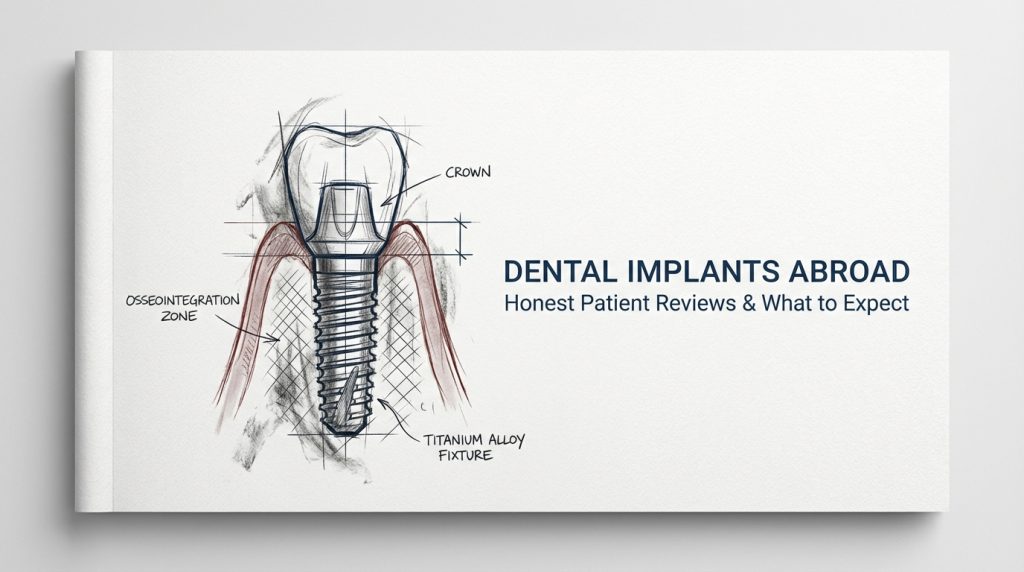
This is the critical phase where the implant fuses with your jawbone — a process called osseointegration. You will not feel anything happening, but beneath the surface the bone is growing around and bonding to the implant surface. This biological process cannot be rushed and is the foundation of long-term implant success.
During osseointegration, avoid putting excessive force on the implant. If you have a temporary prosthesis, follow your dentist’s dietary guidelines carefully. Do not chew hard foods directly on the implant. Continue excellent oral hygiene throughout — research published in the Clinical Implant Dentistry and Related Research journal confirms that oral hygiene during healing is directly correlated with osseointegration success rates.
Long-Term Implant Maintenance
Once your permanent restoration is fitted, maintaining your implants is straightforward but non-negotiable. Brush twice daily with a soft or medium toothbrush, paying particular attention to where the implant crown meets the gum. Use interdental brushes (not regular floss) around implants — they clean more effectively around the wider implant abutment. A water flosser is an excellent addition for removing debris from around implant prosthetics.
Attend professional cleaning appointments every 3-6 months. Implants need professional maintenance just like natural teeth — arguably more so, because the seal between an implant and the gum is weaker than the natural attachment around real teeth. Your hygienist should use implant-safe instruments (titanium or plastic scalers) rather than steel instruments that can scratch the implant surface.
Aftercare for Dental Tourism Patients
If you have had implants placed abroad, arrange UK-based follow-up care before you travel. You will need a local dentist who can monitor healing, handle any complications and provide ongoing hygiene appointments. Not all UK dentists accept patients with implants placed elsewhere, so confirm this in advance.
Keep all documentation from your treating clinic: the implant brand and specifications, surgical notes, X-rays and the recommended follow-up schedule. Most reputable overseas clinics provide a digital patient record you can share with your UK dentist. Maintain direct communication with your overseas clinic during healing — a good clinic will check in regularly via email or WhatsApp and be available for questions throughout your recovery.
When to Contact Your Dentist
Some discomfort during recovery is normal, but certain symptoms need prompt attention: increasing pain after day 3-4 (pain should be improving, not worsening), persistent bleeding beyond 24 hours, fever above 38°C, numbness or tingling that does not resolve within a few hours of surgery, or any movement or looseness in the implant. Early intervention can often save a struggling implant, so never hesitate to contact your dentist if something feels wrong.