When it comes to securing dental care in Europe, knowing what to look for in a European dentist is paramount. The continent boasts a wealth of options, from high-end clinics in major cities to specialised practices nestled in quieter locales.
For patients considering procedures ranging from routine check-ups and dental implants to comprehensive cosmetic dentistry, the choice of clinic can profoundly affect both their experience and the outcomes of their treatments.
This guide will provide you with key insights on how to navigate the vast landscape of dental care providers in Europe, ensuring you select a dentist who offers not only expertise but also value, thereby enhancing your overall dental health and satisfaction.
European Dentists

Selecting an adept European dentist requires an understanding of their educational background, professional training, and the scope of dental services they offer.
European dentists are subject to stringent education and practice regulations, ensuring a high standard of care. Prospective patients should look for dentists who engage in ongoing professional development and are proficient in the latest dental technologies and techniques.
This commitment indicates a dedication to delivering superior dental care. Additionally, it’s beneficial to choose a dentist who specialises in the specific treatments you need and has positive reviews from international patients.
Such endorsements can provide reassurance about the dentist’s capability to manage diverse patient needs effectively, particularly for those traveling from abroad for dental care.
European Dental Treatments
European dental clinics are renowned for their exceptional standards and the adoption of cutting-edge treatment methodologies. These clinics offer a comprehensive array of dental services, from essential care to intricate surgical interventions.
When seeking dental treatment in Europe, ensure that the clinic provides a detailed treatment plan that begins with an in-depth consultation. This plan should include precise diagnostics, possibly involving advanced imaging techniques like digital X-rays, followed by a thorough explanation of the proposed procedures.
A hallmark of quality dental care is also the provision of extensive follow-up services, which are crucial for achieving and maintaining optimal treatment outcomes. Such meticulous attention to detail is what sets European dental treatment apart, ensuring patients receive the highest quality care available.
Dental Implants in European Countries
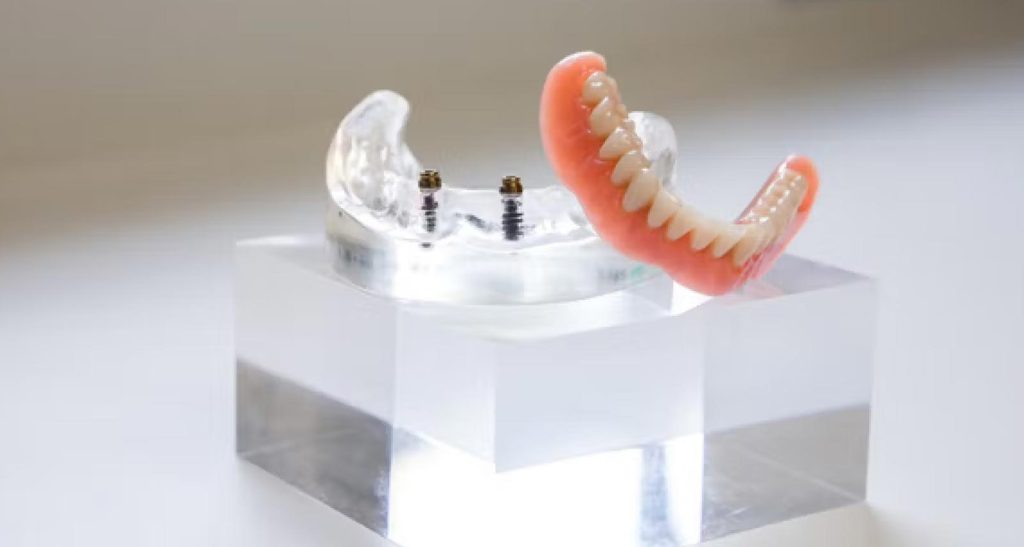
Dental implants represent a forefront solution in restorative dentistry, offering a durable and aesthetically pleasing alternative to traditional dentures or bridges. Renowned for their ability to mimic the function and appearance of natural teeth, implants provide a permanent base for fixed, replacement teeth.
They are made from biocompatible materials, which integrate with the jawbone, providing stable support that feels like your own teeth.
European clinics, noted for their advanced dental technology, offer top-tier implant services conducted by skilled professionals. When considering dental implants abroad, it’s important to evaluate the credentials of the implant specialists and the technological standards of the clinics.
Many European destinations are favoured for these procedures due to their combination of expert care and lower cost in-effectiveness, making them an attractive option for both local and international patients seeking high-quality dental solutions.
Dental Clinics in Europe
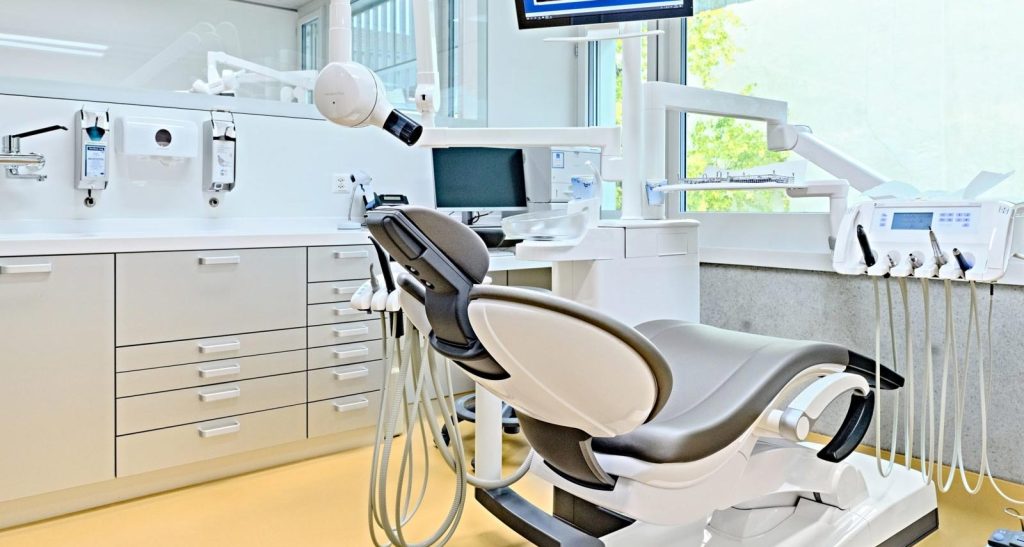
The caliber of dental clinics in Europe can vary significantly, making the selection process crucial for ensuring high-quality care. The best dental clinics are those that not only adhere to the stringent European standards of medical hygiene and patient safety but also invest in state-of-the-art dental technology.
These clinics provide a comprehensive range of dental services, facilitated by cutting-edge equipment such as 3D imaging and laser dentistry, enhancing both diagnostic and treatment accuracy. Additionally, top clinics focus on patient comfort and convenience, offering services in multiple languages and creating a welcoming environment.
This holistic approach to dental care ensures that patients receive not only expert treatment but also a pleasant and stress-free experience. When selecting a clinic, consider those that are well-reviewed by previous patients and recognised for their professional excellence and compassionate care.
Dental Treatments in Europe
The scope of dental treatments available in European clinics is extensive, catering to every possible need from preventive care to complex reconstructive surgeries. European dentists employ a wide array of procedures to enhance oral health and aesthetics.
Preventive services such as regular cleanings and exams are foundational, helping patients maintain their dental health and detect problems early. Restorative treatments, including fillings, crowns, and bridges, restore functionality and appearance after damage or decay.
Furthermore, European clinics often specialise in more advanced treatments such as periodontal therapy for gum disease, root canal treatments, and orthodontics. Each treatment is tailored to the patient’s specific conditions and desired outcomes, with a strong emphasis on minimally invasive techniques that promote faster recovery and less discomfort.
Understanding the comprehensive range of treatments offered can help patients make informed choices about their dental care, ensuring they receive the most effective and appropriate interventions.
Overview of Dental Tourism in Europe
Dental tourism in Europe has surged in popularity, driven by the blend of high-quality dental care available at significantly lower prices compared to other regions.
This sector has flourished particularly in countries known for their medical expertise and attractive tourist destinations. Hungary, Poland, and Spain, for example, have become hotspots for dental tourists seeking everything from basic dental care to advanced procedures such as implants and full-mouth reconstructions.
The appeal lies not just in the cost savings but also in the opportunity to combine dental treatment with leisure travel. European countries offer a unique appeal with their rich cultural heritage, scenic landscapes, and well-developed tourist infrastructures, making them ideal for a recovery and vacation blend.
Furthermore, dental clinics catering to tourists are typically equipped with multilingual staff, further simplifying the process for international patients. This comprehensive approach to patient care ensures that dental tourists can enjoy a seamless experience, receiving top-notch dental treatment while exploring Europe’s myriad attractions.
Choosing the Right Dentist in Europe

When looking for affordable dental care in Europe, it is crucial to balance cost with quality. Many European countries offer dental services at a fraction of the cost found in the UK and other Western countries, without compromising on the quality of care.
Countries like Hungary and Poland are renowned for their affordable dental services, which do not sacrifice the high standards of treatment and hygiene expected in the dental profession. When selecting a dentist, it’s important to research their qualifications, the technologies they use, and their experience in treating international patients.
Reviews and testimonials from previous patients can be invaluable in assessing the quality of care provided. Moreover, ensure that the clinic offers transparent pricing models to avoid any hidden costs.
Choosing a dentist who provides a detailed consultation can help you understand the scope of your treatment, the costs involved, and the expected outcomes, making your dental journey both affordable and reassuring.
Dental Implants: Procedure & Benefits
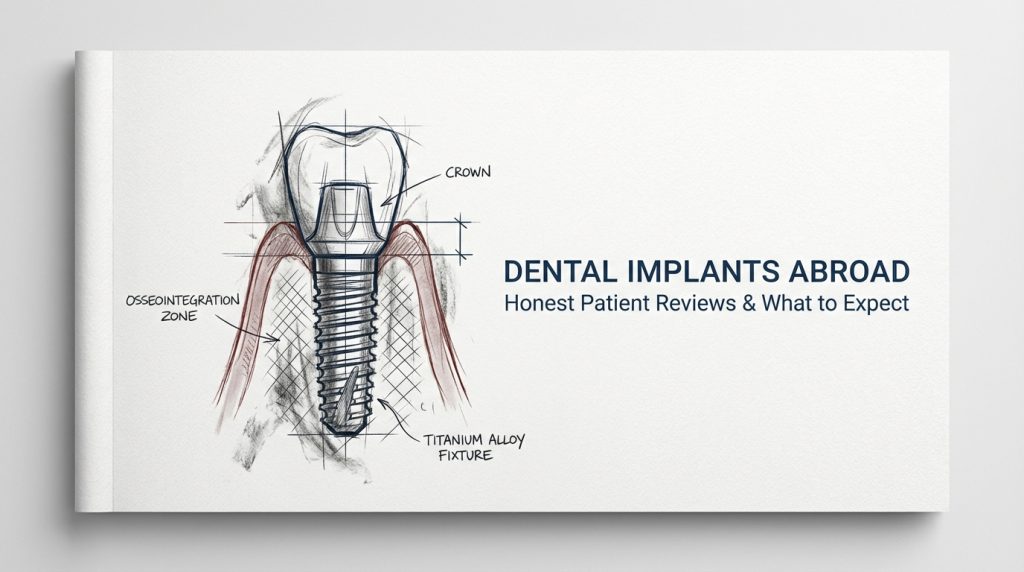
Dental implants are a highly sought-after solution within cosmetic dentistry, offering a permanent replacement for missing teeth that closely mimics the look and function of natural teeth. The procedure typically begins with a thorough consultation to assess the patient’s oral health and suitability for implants.
If deemed suitable, the next step involves the surgical placement of a titanium post into the jawbone, which serves as a root for the new tooth. This is followed by a healing period, during which the implant integrates with the bone — a process known as osseointegration. After healing, a custom-made crown that matches the color and shape of the natural teeth is attached to the implant.
The benefits of dental implants are manifold: they provide a durable and stable foundation for new teeth, help maintain the structure of the jawbone, and enhance overall oral health. Moreover, they restore the ability to eat and speak comfortably, significantly improving the patient’s quality of life.
Dental implants are a testament to the advancements in dental technology, offering a long-term solution to tooth loss that can last a lifetime with proper care.
Dental Clinics Across Europe
Dental clinics across Europe are renowned for their high standards of care, adherence to rigorous health and safety protocols, and the use of cutting-edge technology. T
his reputation is upheld across the European Union, which mandates stringent healthcare regulations to ensure top-quality patient care. Hungarian dental clinics, in particular, are often cited as examples of excellence in dental healthcare.
These clinics combine advanced dental technology with highly skilled professionals to provide a range of services, from routine check-ups to complex surgeries, at prices significantly lower than in many other parts of Europe and North America. Moreover, many of these clinics are located in beautiful cities that are rich in history and culture, offering patients the added benefit of recovering in a serene and picturesque setting.
The presence of such high-quality facilities in attractive locations makes these cities ideal destinations for dental tourism, blending health care with the charm of European travel.
The Cost-Effectiveness of Dental Care Abroad
The cost-effectiveness of seeking dental care abroad has become one of the principal attractions for dental tourists, particularly from regions where dental care is prohibitively expensive.
The availability of low-cost airlines has made traveling to European countries more accessible than ever, further reducing the overall cost of dental care.
Many European countries offer dental treatments at much lower prices without compromising on the quality of care or the materials used. This affordability is often due to lower operational costs and living expenses in these countries compared to the UK or the US. Patients can save up to 50-70% on treatments such as dental implants, crowns, and extensive cosmetic work, even after factoring in the travel expenses.
These savings are significant, especially for procedures not covered by insurance or for those seeking high-quality dental treatment abroad who work on a budget. Additionally, many clinics offer comprehensive treatment packages that include all necessary procedures and follow-up care, which further enhances the cost-effectiveness of dental care abroad.
Specialised Dental Treatments
Specialised dental treatments in Europe cater to a variety of patient needs, from cosmetic improvements to functional corrections. Dental crowns, veneers, and braces are among the most sought-after procedures.
Dental crowns are used to restore damaged or weakened teeth, effectively capping them to improve their appearance and functionality.
They can be made from a variety of materials, including porcelain, ceramic, and metal alloys, each offering durability and aesthetic appeal. Veneers are another popular cosmetic option, providing a wafer-thin custom-made shell designed to cover the front surface of teeth, enhancing their color, shape, and alignment.
Lastly, orthodontic treatments with braces help correct irregular alignments and spacing in teeth, improving dental health and aesthetics. European clinics specialise in these treatments using the latest technologies such as 3D imaging and computer-aided design, ensuring precise outcomes and reduced treatment times.
This focus on specialised treatments allows patients to achieve their desired results with minimal discomfort and downtime.
Conclusion
Choosing the right European dentist and clinic is not just a matter of securing quality dental care; it is about transforming the entire experience of maintaining and enhancing oral health.
This decision can significantly impact the effectiveness, comfort, and overall satisfaction with the dental treatments you receive.
To make an informed choice, it is crucial to consider several key factors that contribute to the excellence and reliability of dental services abroad.
Qualifications and Expertise
The qualifications and expertise of a dentist are fundamental to delivering high-quality dental care. In Europe, dentists are required to undergo extensive training and continuous education to practice.
This rigorous academic and practical preparation ensures that they are well-versed in the latest dental techniques and technologies.
When choosing a dentist, look for certifications and memberships in reputable dental associations, which reflect their commitment to professional development and adherence to international standards.
Comprehensive Treatment Options
The scope of treatment options available at a dental clinic is another critical factor to consider. Leading European clinics offer a comprehensive range of services that cover preventive, restorative, and cosmetic dentistry.
This diversity ensures that you can have all your dental needs addressed under one roof. It is advisable to choose clinics that provide detailed explanations of their treatment plans, including the benefits and potential risks associated with each procedure.
This transparency allows you to make informed decisions about your oral health.
State-of-the-Art Facilities
The quality of facilities and equipment at a dental clinic contributes significantly to the success of dental treatments.
Top European clinics invest in state-of-the-art technology such as digital X-rays, laser dentistry, and computer-aided implant surgeries. These technologies not only enhance the accuracy of diagnoses and treatments but also improve the comfort and speed of recovery for patients.
Furthermore, modern facilities that prioritise hygiene and patient comfort can make the treatment experience much more pleasant.
Patient Reviews and Testimonials
Patient reviews and testimonials are invaluable resources when selecting a dentist. They provide insights into the patient care experience and the outcomes achieved by the clinic.
Look for reviews that specifically mention the professionalism of the staff, the cleanliness of the clinic, and the success of the treatments received.
Positive feedback from international patients can be particularly reassuring for those traveling from abroad for dental care.
Accessibility and Convenience
The location of the dental clinic is another important consideration, especially for dental tourists. Clinics that are easily accessible by public transport or offer accommodations for international patients can greatly enhance the convenience of your trip.
Additionally, many top clinics provide assistance with travel arrangements and local accommodations for foreign patients, making the entire process smoother and more enjoyable.
Affordability Without Compromise
While affordability is a significant attraction of dental care in Europe, it should not come at the expense of quality.
The best dental clinics offer competitive pricing without compromising the quality of materials or the expertise of their staff. They often provide detailed cost breakdowns and transparent pricing policies, which help you budget for your treatment without any hidden charges.
Conclusion
By carefully evaluating these factors—qualifications, treatment options, facilities, patient reviews, accessibility, and cost—you can select a dental clinic that not only meets but exceeds your expectations.
Choosing the right European dentist and clinic for dental tourism can indeed transform your dental care experience, ensuring that you receive the best possible care at an affordable price.
For more information or to book a consultation, drop us a line on +44 113 328 0500. Here, you can start your journey towards achieving not just a healthier smile, but a more enjoyable and fulfilling dental care experience in the heart of Europe.
Ready to explore your treatment options? Not sure which country to choose? Compare implants, veneers, and treatment prices across Turkey, Poland, Hungary, and Bulgaria through Opus Smile.